Suspected Hantavirus Outbreak on Cruise Ship Leaves Three Dead, Hundreds Stranded Off West Africa
May 4, 2026
5 min read
Admin
By Shawn Sithole | C6x Media
May 4, 2026
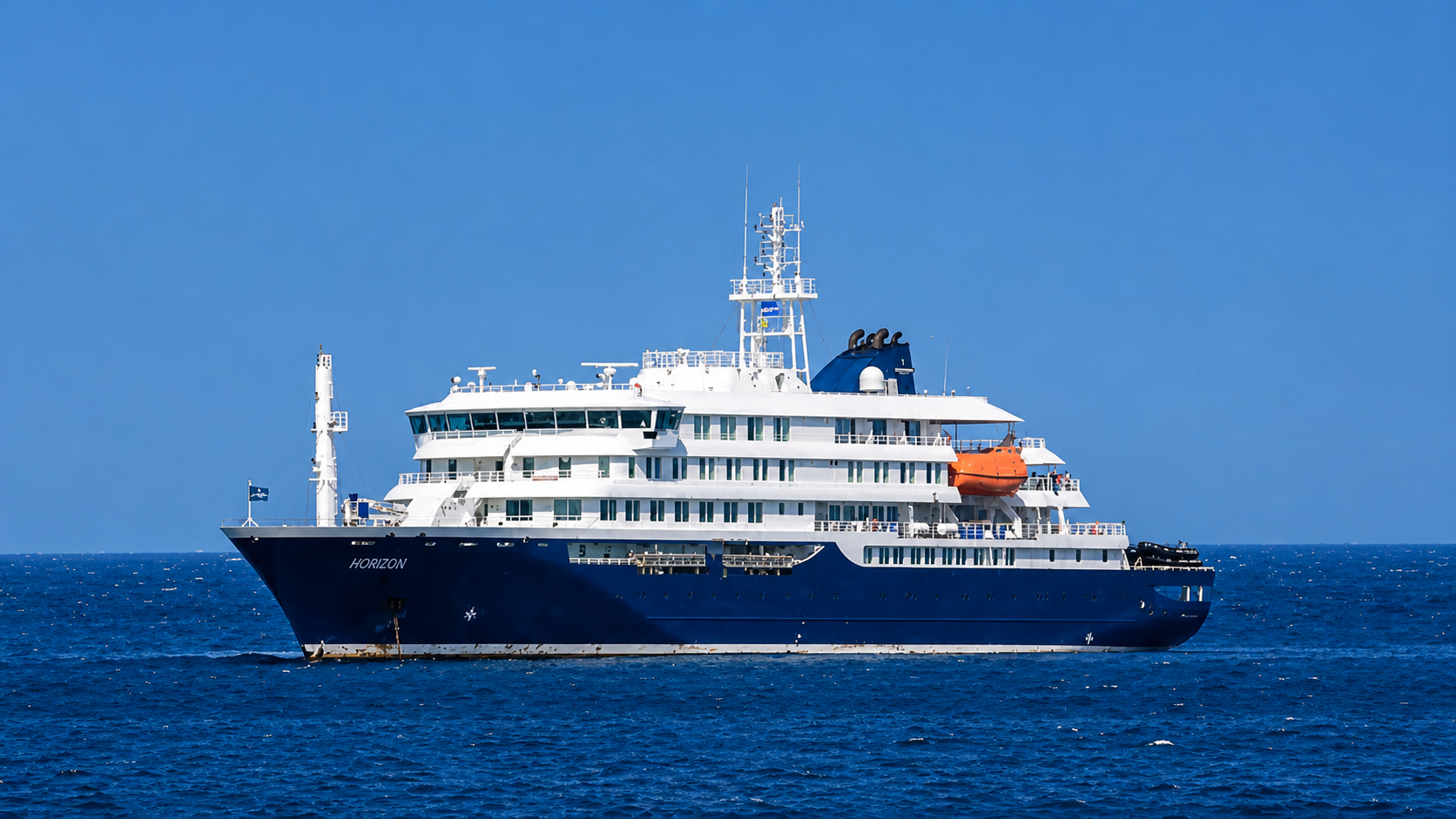
A state of emergency is unfolding in the Atlantic Ocean as a suspected outbreak of the rare and deadly hantavirus aboard the luxury polar cruise ship MV Hondius has claimed the lives of three passengers. The Dutch-flagged vessel, which carried approximately 150 people on an Antarctic expedition, is currently held off the coast of Praia, Cape Verde, while health authorities and the World Health Organization (WHO) scramble to coordinate medical evacuations.
The situation has gripped international attention following the deaths of three individuals over the course of several weeks. The victims include an elderly Dutch couple and a German national. The first fatality occurred on April 11, with the passenger's body being removed in the British territory of Saint Helena in the South Atlantic. A second passenger, the man's wife, died at a hospital in South Africa, while the third fatality occurred on the ship itself over the weekend of May 2, 2026.
At least three others, including two crew members and a British national currently in intensive care in Johannesburg, have fallen seriously ill. The remaining passengers and crew—representing 23 different nationalities, including seventeen Americans and four Canadians—remain trapped aboard the vessel as local authorities in Cape Verde refuse to grant permission for disembarkation until safety and quarantine protocols are established.
The Source of the Outbreak:
Hantavirus is a severe, rodent-borne illness that can cause hantavirus pulmonary syndrome (HPS), a condition that causes fluid to build up in the lungs and can lead to heart and lung failure. According to the U.S. Centers for Disease Control and Prevention (CDC), the virus is primarily transmitted to humans through contact with the urine, saliva, or droppings of infected rodents.
On a ship or in enclosed spaces, the virus often becomes airborne when dried particles from nesting material or droppings are disturbed during cleaning or ventilation. The infection can then be inhaled by individuals, turning a routine trip into a highly dangerous biological hazard. While person-to-person transmission is exceedingly rare, it remains a focal point of the current investigation as the WHO and South African health officials sequence the virus.
A Complex Emergency Response:
The MV Hondius, which left Ushuaia, Argentina, in late March, was marketed as an Antarctic nature expedition, with cabins priced between 14,000 and 22,000 euros ($22,000 - $35,000 CAD). As the virus took its toll on passengers, Oceanwide Expeditions, the Dutch company that operates the ship, requested emergency medical evacuations for the sickest crew members.
The WHO is currently facilitating coordination between member states, the cruise operator, and Cape Verdean and South African health agencies to ensure the safe medical evacuation of symptomatic individuals. However, the lack of approval from Cape Verdean authorities to dock the ship or allow broader medical screening has left passengers and crew members in a state of uncertainty just off the West African coast.
What Lies Ahead:
The tragedy has sparked a global conversation regarding health and safety on extended polar and expedition cruises. While the World Health Organization has emphasized that the risk to the wider public is low and there is no need for travel restrictions, the incident serves as a stark reminder of the hidden dangers of infectious diseases in enclosed, remote environments.
As detailed laboratory testing and epidemiological investigations continue, the families of the victims await answers, and the remaining 149 people aboard the ship wait for clearance to return home.
C6x Media will continue to monitor the situation as the medical evacuations progress and more forensic data is released by the World Health Organization.


Loading related posts...